
Hospitality Design
Hospitality Design That Shapes How Guests Feel, Move, Stay, And Remember
Lylko Studio creates hospitality interiors in Montreal for restaurants, boutique hotels, cafés, wellness spaces, and guest-focused commercial environments where experience is the foundation of design.
01
Designing Places People Want To Return To
Hospitality design is the art and strategy of creating environments that welcome people, guide them, comfort them, and leave a lasting impression.
In a restaurant, it affects how long guests stay, how they move through the room, how the food is perceived, and whether the atmosphere feels effortless or strained.
In a hotel, café, wellness lounge, or boutique hospitality space, design becomes part of the service itself. The lighting, materiality, acoustics, scent, circulation, seating, and arrival sequence all tell the guest what kind of experience they are about to have.
Lylko Studio approaches hospitality interiors through interior architecture, neuro-architecture, and human-centred spatial strategy. The goal is not only to create beautiful spaces, but to design environments that feel intuitive, memorable, and commercially intelligent.
A hospitality space is remembered less for how it looked, and more for how it made people feel.
02
What Hospitality Design Really Means
Hospitality design is the planning and design of interiors created for guest experience. It includes restaurants, cafés, bars, boutique hotels, lounges, spas, wellness environments, and commercial spaces where comfort, service, and atmosphere directly influence business performance.
Unlike purely decorative design, hospitality interior design must balance emotional impact with operational clarity. A space must look refined, but it also has to function under pressure. Guests need to feel relaxed. Staff need to move efficiently. Materials need to withstand daily use. Lighting needs to shift from morning to evening. The brand needs to be understood without being over-explained.
Strong hospitality design considers both the visible and invisible parts of the experience:
- How guests enter and orient themselves
- How seating affects comfort, privacy, and social energy
- How acoustics influence conversation and stress
- How lighting changes mood and perception
- How materials communicate quality and care
- How the space supports service, staff flow, and operations
Shapes the first emotional impression and establishes trust within seconds.
Influences mood, intimacy, pace, and the perceived quality of the environment.
Supports smooth guest movement, staff circulation, and operational efficiency.
Creates sensory warmth, durability, and a clear sense of brand quality.
Turns a visit into an experience guests want to repeat and recommend.
Guest Experience
Hospitality Interiors Work Best When Every Detail Serves The Experience
A guest rarely notices every design decision consciously. They do not always name the lighting temperature, the acoustic treatment, the chair height, or the circulation path.
But they feel the result.
They feel whether the room invites them in. They feel whether the table is comfortable. They feel whether conversation is easy. They feel whether the brand has depth, care, and confidence. The best hospitality design creates that feeling with precision.
03
Why Hospitality Design Matters For Business
In hospitality, the interior is not background decoration. It is part of the product.
A restaurant is judged before the menu is opened. A hotel is evaluated before the room key is handed over. A café begins shaping loyalty before the first coffee is poured. The built environment influences perception, comfort, spending behaviour, guest confidence, and whether people choose to return.
For hospitality businesses in Montreal, where guests have access to an enormous range of restaurants, boutique hotels, cafés, bars, wellness concepts, and design-led destinations, spatial experience can become a powerful differentiator.
04
Designing Experiences, Not Just Interiors
The most successful hospitality spaces are remembered long after guests leave. Not because of a particular chair, colour palette, or light fixture, but because every element worked together to create a cohesive experience.
Hospitality design should guide how people feel from the moment they arrive until the moment they leave. Every transition, every material, and every sensory detail contributes to that journey.
At Lylko Studio, we begin every hospitality project by asking one question:
What should your guests feel?
Once that emotional objective is defined, every design decision becomes intentional. Layout, lighting, acoustics, textures, furniture, circulation, and spatial rhythm all work together to support that experience.
Hospitality Sectors
Hospitality Spaces We Design
Restaurants demand a careful balance between atmosphere and operational efficiency. Seating layouts, kitchen relationships, circulation paths, lighting, and acoustics all influence how guests experience the space and how staff perform throughout service.
Boutique hotels thrive on memorable guest experiences. Every arrival sequence, lounge, guest room, corridor, and shared space should reinforce the property's identity while providing comfort and intuitive navigation.
Modern cafés often function as social spaces, workplaces, and neighbourhood gathering places simultaneously. Flexible layouts, layered lighting, and welcoming material palettes help support each of these experiences throughout the day.
Lighting, acoustics, furniture, and spatial intimacy play a significant role in creating memorable evening environments that encourage guests to stay longer while supporting efficient service behind the scenes.
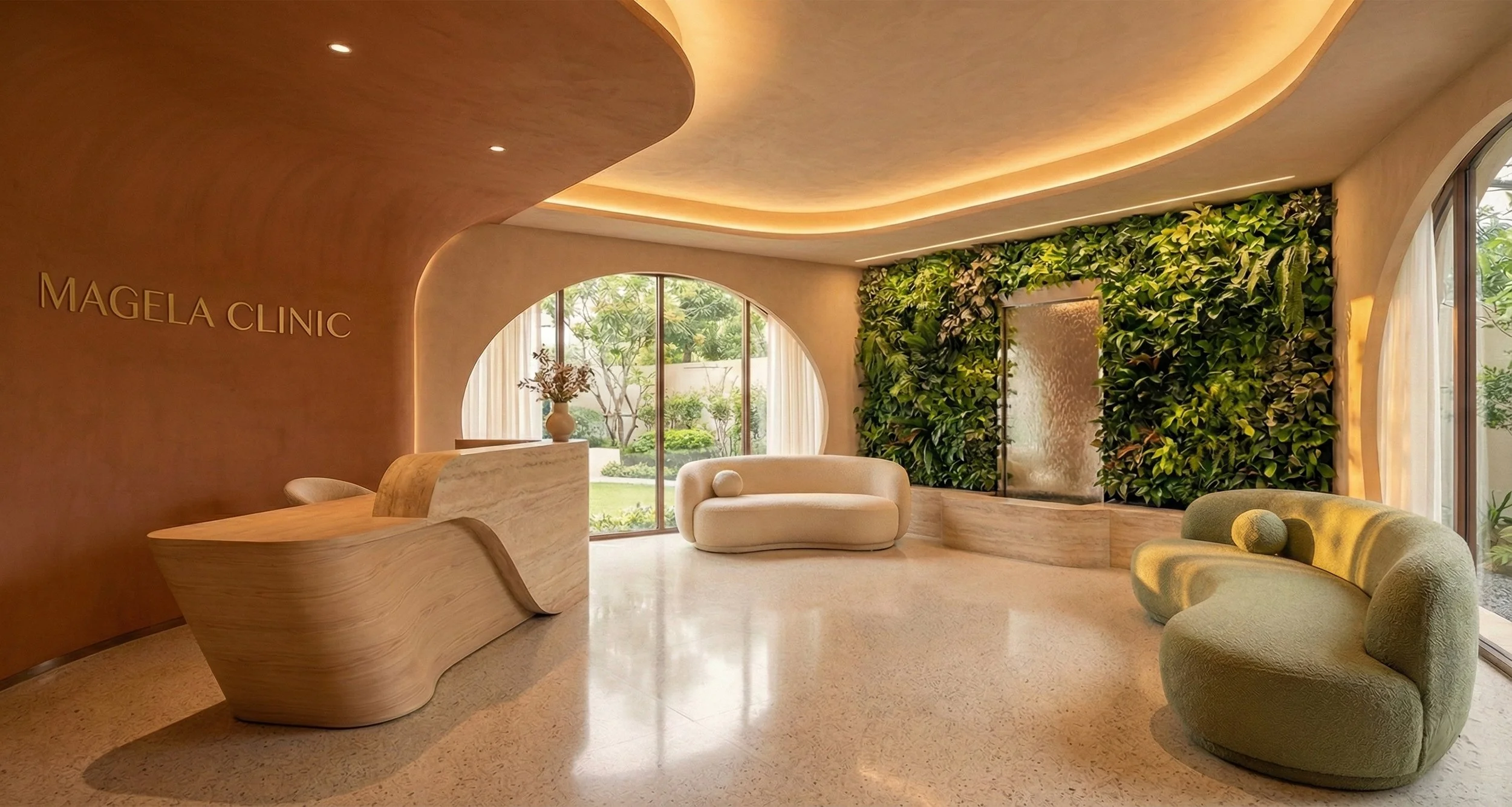
Wellness clubs, spas, and retreat environments rely on sensory calm. Natural materials, biophilic elements, quiet transitions, and thoughtful lighting create spaces that encourage restoration from the moment guests arrive.
Neuro-Architecture
The Best Hospitality Spaces Feel Effortless Because Every Detail Has Been Considered
Neuro-architecture studies how the built environment influences the human brain and behaviour. Within hospitality design, this understanding helps create spaces that reduce stress, improve orientation, encourage longer visits, and leave stronger emotional memories.
Guests may never consciously notice the ceiling height, the lighting temperature, or the transition between public and private spaces.
But their nervous system notices.
This is why thoughtful hospitality design feels natural rather than forced. People instinctively know where to walk, where to pause, where to gather, and where to relax.
05
Hospitality Design In Montreal
Montreal is recognised internationally for its restaurants, boutique hotels, cafés, and independent hospitality concepts. Design has become an important part of that identity.
Whether located in Old Montreal, Griffintown, Mile End, Downtown Montreal, or Westmount, successful hospitality businesses compete not only through service, but through the environments they create.
Today's guests expect more than attractive interiors. They look for authenticity, comfort, memorable atmospheres, and spaces that reflect the character of the neighbourhood and the brand behind them.
Hospitality design should celebrate that local identity while supporting the operational realities of running a successful business.
Business Outcomes Supported By Hospitality Design
| Design Objective | Business Benefit |
|---|---|
| Clear circulation | Improves guest movement while supporting staff efficiency. |
| Layered lighting | Creates atmosphere that adapts naturally throughout the day. |
| Comfortable seating | Encourages guests to stay longer and enjoy the experience. |
| Strong brand identity | Builds recognition and creates memorable first impressions. |
| Durable materials | Reduces maintenance while maintaining long-term visual quality. |
| Acoustic comfort | Improves conversation, privacy, and overall guest satisfaction. |
Planning Checklist
Hospitality Design Checklist
Before beginning a restaurant, café, hotel, wellness, or hospitality project, ask these essential questions.
Guest Experience
What should guests feel within the first thirty seconds of entering the space?
Brand Identity
Does the interior clearly communicate the personality and values of the business?
Operational Flow
Can guests and staff move naturally without creating congestion or confusion?
Lighting Strategy
Does the atmosphere evolve appropriately from day to evening?
Material Selection
Are finishes durable enough for daily commercial use while reinforcing the brand?
Future Growth
Can the space evolve as the business expands or operational needs change?
Related Services
Continue Exploring Commercial Interior Design
Hospitality design often overlaps with broader commercial interior architecture. Explore our related services to learn how we design environments centred on wellbeing, behaviour, and experience.
Our Process
From Vision To Guest Experience
Discovery & Brand Strategy
Every hospitality project begins by understanding your business, your guests, your operational needs, and the experience you want people to remember.
Spatial Planning
We organize circulation, guest flow, seating layouts, service areas, and operational zones to create intuitive, efficient environments.
Design Development
Material palettes, lighting, furniture, finishes, and architectural details are developed into a cohesive design language that reflects your brand.
Technical Documentation
Detailed construction drawings coordinate every aspect of the project to ensure the final space is executed with precision and clarity.
Concrete Empathy
Hospitality Design Begins With Understanding People
Beautiful interiors attract attention.
Memorable environments earn loyalty.
At Lylko Studio, every hospitality project begins by understanding the people who will occupy the space. How they arrive. How they move. How they gather. How they remember the experience after they leave.
Through interior architecture and neuro-architecture, we create commercial environments that support both human wellbeing and business performance, transforming cold structures into warm, intelligent places that people genuinely want to return to.
FAQ
Hospitality Design Questions
What is hospitality design?
Hospitality design is the planning and design of guest-focused commercial environments such as restaurants, cafés, hotels, bars, wellness centres, and boutique hospitality spaces. It combines interior architecture, functionality, branding, and human experience to create memorable environments.
What types of hospitality businesses do you work with?
Lylko Studio designs interiors for restaurants, cafés, boutique hotels, bars, lounges, wellness brands, spas, and other hospitality environments seeking thoughtful, human-centred commercial design.
Why is hospitality design important for business success?
Hospitality design influences first impressions, guest comfort, operational efficiency, brand perception, and customer loyalty. A well-designed environment supports both the guest experience and long-term business performance.
How does neuro-architecture apply to hospitality design?
Neuro-architecture explores how the built environment affects the human brain and behaviour. In hospitality spaces, it helps reduce stress, improve orientation, encourage comfort, and create memorable guest experiences through thoughtful spatial design.
Can you help with hospitality renovations?
Yes. Whether renovating an existing restaurant, boutique hotel, café, wellness space, or hospitality venue, we help reimagine interiors that better support guests, staff, and business objectives.
When should an interior architect become involved?
Ideally before construction begins. Early involvement allows the layout, operational flow, guest experience, and technical requirements to be planned cohesively from the beginning.
How long does a hospitality design project take?
Every project is unique. Timelines depend on the size, complexity, approvals, and construction scope. During the initial consultation we establish realistic expectations for each phase of the project.
Do you work only in Montreal?
Lylko Studio is based in Montreal and primarily serves commercial clients throughout the Greater Montreal area, while also considering projects in surrounding regions.
Discuss Your Hospitality Design Project
Whether you're planning a boutique hotel, restaurant, café, wellness concept, or hospitality renovation in Montreal, we design environments that elevate guest experience while supporting long-term business success. Let's discuss how your space can become an extension of your brand.
Start Your Project