
Luxury Interior Design Montréal
Luxury Interior Design in Montréal, Built Around How You Actually Live
Luxury is not more marble, more furniture, or more decoration. It is the feeling that everything is exactly where it should be.
Lylko Studio creates refined residential interiors through interior architecture, neuro-architecture, materiality, lighting, and meticulous spatial planning. Every decision is shaped around the people who will actually inhabit the space.
Discuss Your Project →A Different Definition of Luxury
A beautiful home can impress you for five minutes. A well-designed home changes how you feel every day.
The strongest luxury interiors rarely need to announce themselves.
You feel the difference instead.
Morning light lands where you naturally sit. Circulation feels effortless. Storage disappears into the architecture. Materials feel good under your hand. Rooms can be social when the house is full and quiet when you need to disappear for an hour.
That is where Lylko Studio begins.
Our approach combines interior architecture with neuro-architecture and human-centred design to create Montréal homes that respond to behaviour, routine, sensory comfort, and the character of the architecture itself.
Rather than beginning with a visual style and forcing the client into it, we begin with the way the space needs to work and feel.
Concrete Empathy
Luxury should not be something you look at. It should be something your body notices.
Light. Silence. Texture. Proportion. Privacy. Flow. The details that appear effortless are usually the ones that required the most thought.
What We Design
Residential interiors considered from architecture to atmosphere.
Lylko Studio can develop the interior as a complete spatial system, rather than treating rooms as isolated decorating projects.
Spatial Planning
Layouts shaped around circulation, furniture, privacy, sightlines, daily routines, and the relationship between rooms.
Interior Architecture
Architectural details, built-ins, millwork, kitchens, bathrooms, transitions, and custom spatial elements.
Material & Lighting
Materials and lighting selected for atmosphere, tactile quality, durability, natural light, and the emotional character of each space.
Furniture & Styling
Furniture, objects, artwork, and finishing layers selected to support the architecture rather than compete with it.
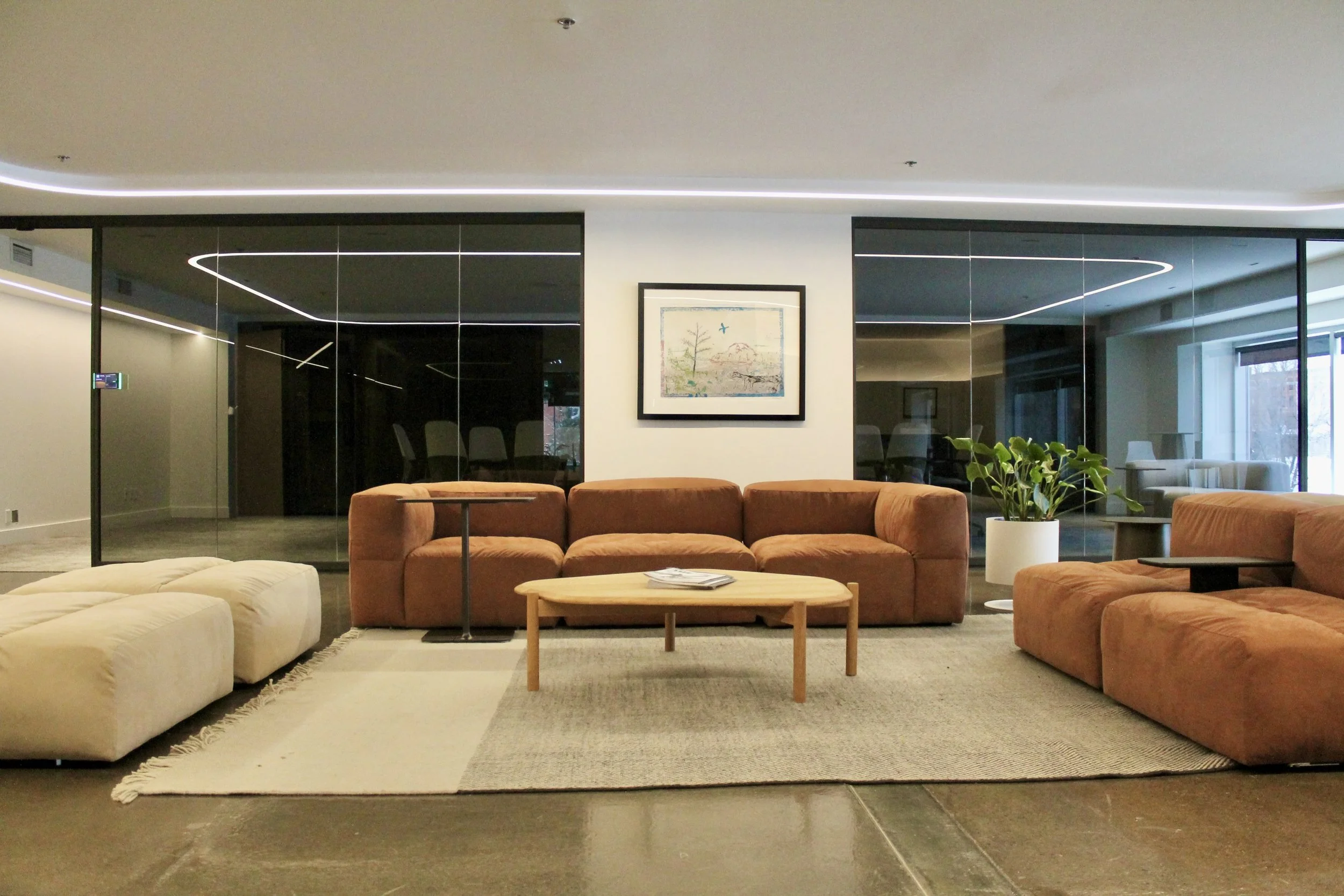
What Makes An Interior Feel Luxurious?
Usually, it is not the thing with the biggest price tag.
Expensive materials cannot rescue uncomfortable proportions. Custom furniture cannot fix poor circulation. A dramatic pendant cannot compensate for bad lighting everywhere else.
Real refinement comes from relationships.
How stone meets wood. How daylight changes a surface throughout the afternoon. How a doorway frames the next room. How acoustic softness changes the feeling of a large space. How furniture creates intimacy without making the room feel crowded.
We consider those relationships early, because luxury becomes much harder to manufacture once the fundamental architecture is wrong.
Our Approach
Four things we consider before choosing what the room should look like.
Behaviour
Who uses the room, when they use it, what they do there, and how those patterns change throughout the day.
Sensory Comfort
Natural and artificial light, sound, texture, temperature, visual complexity, and the overall intensity of the environment.
Flow
How people arrive, move, pause, gather, retreat, and transition between public and private areas.
Longevity
Materials, proportions, and architectural decisions that can age with the home rather than depend entirely on a passing trend.
Before You Renovate
Five decisions worth making before falling in love with finishes.
Define how the home needs to feel.
Calm? Social? Intimate? Energizing? Highly private? Emotional objectives can guide spatial decisions just as much as aesthetic references.
Map your real routines.
Where do bags land? Where do you drink coffee? Where do guests gather? Where do you need complete silence? Daily behaviour reveals what the floor plan actually needs.
Resolve circulation first.
Furniture, doors, millwork, and architectural features should support movement instead of forcing people around obstacles.
Design the lighting as a system.
Ambient, task, accent, and natural light should work together. One beautiful fixture cannot do every job.
Then choose the beautiful things.
Once the architecture works, material, furniture, artwork, and styling can amplify the experience instead of hiding problems.
Montréal
Luxury interior design shaped by Montréal architecture.
Designing a luxury residence in Montréal rarely means working with a blank box. The architecture already has something to say.
A Westmount residence may call for careful dialogue between historic character and contemporary intervention. An Old Montréal property can introduce stone, masonry, irregular geometry, and heritage elements that deserve to remain visible.
A downtown Montréal condominium creates a different problem entirely: maximizing comfort, storage, privacy, and visual calm within a more defined footprint.
Lylko Studio approaches each project through its actual architectural conditions. The objective is not to paste the same "luxury aesthetic" onto every address. It is to create an interior that feels inseparable from the people and place it belongs to.
Our Process
From the way you live to the space you live in.
Discovery
We study your routines, priorities, aesthetic preferences, sensory needs, architecture, and project constraints.
Spatial Strategy
We develop circulation, layouts, furniture relationships, functional zones, privacy, and key architectural moves.
Design Development
Materials, lighting, millwork, furniture, details, and visual language are developed into one coherent environment.
Implementation
Approved design decisions move toward documentation, coordination, sourcing, and execution according to project scope.
Frequently Asked Questions
Luxury Interior Design Montréal FAQ
What is considered luxury interior design?
Luxury interior design goes beyond expensive finishes. It considers spatial planning, architecture, custom details, lighting, materials, furniture, comfort, and the way the environment responds to the people using it.
Does Lylko Studio offer luxury residential interior design in Montréal?
Yes. Lylko Studio provides residential interior architecture and design services in Montréal, with projects developed around human behaviour, spatial function, sensory experience, materiality, and refined detailing.
What is neuro-architecture in residential design?
Neuro-architecture considers how elements such as light, proportion, sound, materiality, nature, spatial complexity, and circulation can influence how people perceive and experience an environment.
Can you work with an architect or contractor already involved in the project?
Yes. Depending on project scope, Lylko Studio can coordinate interior design decisions with architects, contractors, engineers, millworkers, suppliers, and other consultants involved in the project.
When should I hire an interior designer for a major renovation?
Ideally, interior design should be considered early enough to influence layouts, lighting, millwork, electrical planning, material transitions, and other decisions that become more difficult to change once construction advances.
Do you work on luxury condominiums as well as houses?
Project suitability depends on scope, but the same human-centred design principles can be applied to condominiums, penthouses, houses, and other high-end residential interiors.
Your Space Should Feel Like Yours
Create a home that works beautifully before it simply looks beautiful.
Planning a renovation, new residence, or complete interior transformation in Montréal? Tell us what you are building and how you want it to feel.
Discuss Your Project →